
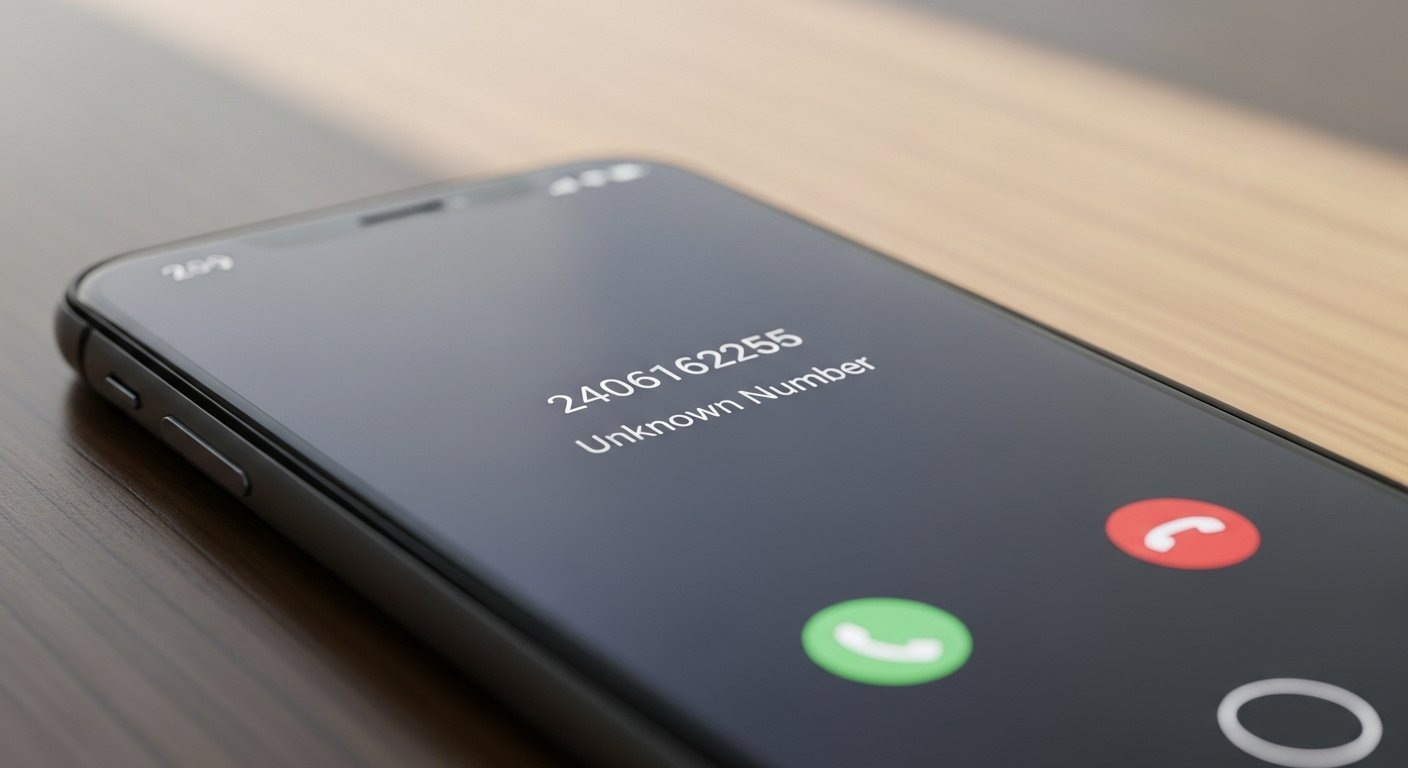
We’ve all been there — your phone rings, and you see a number you don’t recognize. It’s natural to feel a mix of curiosity and caution, especially when calls come from unfamiliar area codes. One such number that’s caught many people’s attention recently is 240-616-2255.
If you’ve received a call or message from this number, you’re not alone. Many users have reported similar experiences, often wondering whether it’s a legitimate call, a telemarketer, or even a scam attempt. In this article, we’ll break down what’s known about this number, what you should do if it contacts you, and how to protect yourself from unwanted or suspicious calls.
Understanding the 240 Area Code
Before diving into who might be behind the number, let’s take a look at the area code 240.
The 240 area code is associated with Maryland, USA, covering cities such as Rockville, Frederick, Bethesda, and Silver Spring. This means that calls from 240-616-2255 likely originate from somewhere in Maryland or are being spoofed to appear that way.
However, due to modern phone technologies and internet-based calling systems, scammers and telemarketers can easily mask their true location by using virtual numbers with different area codes. That’s why it’s not always safe to assume a call is local or genuine just because of its area code.
Why You Might Be Getting Calls from 2406162255
There are several reasons why you might receive a call from 2406162255. Let’s look at the most common possibilities:
1. Telemarketing or Promotional Calls
One of the most frequent causes of random calls is telemarketing. Many businesses use automated dialers or outsourced services to reach potential customers. These calls might promote products, insurance plans, loans, or special offers.
If the caller starts pitching something right away or asks you to “press a number” to speak with an agent, it’s likely a marketing call.
2. Scam or Fraud Attempts
Unfortunately, scam calls are becoming more sophisticated. Some fraudsters use local-looking numbers like 2406162255 to trick people into answering. They may pretend to be from a government office, delivery service, or financial institution.
Common tactics include:
-
Claiming there’s a problem with your bank account.
-
Saying you’ve won a prize or refund.
-
Asking for your personal or financial details.
Remember, legitimate organizations never ask for sensitive information over the phone. If something feels off, hang up immediately.
3. Wrong Number or Mistaken Identity
Sometimes, the simplest explanation is the right one. The person dialing might have entered the wrong number, or the call could be meant for someone who used to have your phone number.
In these cases, the caller might hang up quickly, leave no voicemail, or apologize if you answer.
4. Survey or Research Calls
Some companies conduct legitimate market research or opinion surveys by phone. These calls may come from numbers like 2406162255.
While these aren’t necessarily harmful, you’re never obligated to participate. You can always politely decline and ask to be removed from their calling list.
How to Check Who Called You
If you want to verify who’s behind 2406162255, there are a few easy steps you can take:
1. Use a Reverse Phone Lookup
Several online services let you search for a number and see whether it’s associated with a person, business, or known spam reports. Many users share their experiences publicly, helping others identify suspicious numbers.
2. Search Online Reports
Typing the number into a search engine often reveals community discussions or complaint boards. If multiple people have flagged the same number, chances are it’s being used for spam or telemarketing.
3. Let It Go to Voicemail
If you’re unsure, don’t answer unknown numbers. Legitimate callers will usually leave a message explaining who they are and why they called. Scammers often don’t.
4. Block and Report the Number
If you confirm the number is spam or unwanted, you can block it directly from your phone settings. You can also report it to your carrier or to authorities such as the Federal Trade Commission (FTC) in the United States.
How to Protect Yourself from Scam Calls
Scam calls can be more than annoying — they can be dangerous. Here are a few smart ways to stay safe:
1. Never Share Personal Information
Avoid giving out your name, address, bank details, or passwords over the phone unless you’re 100% certain of who you’re speaking with.
2. Be Skeptical of “Too Good to Be True” Offers
If someone says you’ve won a prize or refund but asks for a fee or your details to claim it, it’s almost certainly a scam.
3. Use a Call-Blocking App
There are many free and paid apps that automatically identify and block known spam numbers, reducing the number of unwanted calls you receive.
4. Register with the Do Not Call List
If you’re tired of telemarketing calls, register your number on your country’s Do Not Call Registry. While it won’t stop scammers, it can reduce legitimate marketing calls.
What to Do If You Already Answered
If you’ve already picked up a call from 2406162255, don’t panic. Here’s what you can do next:
-
Hang up immediately if the call seems suspicious.
-
Avoid pressing buttons or saying “yes” to automated prompts — these can sometimes confirm your number is active.
-
Check your accounts for any unusual activity if you shared details.
-
Report the number to your carrier or a consumer protection agency.
Taking quick action can help prevent any further issues.
The Bottom Line
Getting a call from 2406162255 can be confusing, especially when you don’t recognize the number. While it could be a simple wrong number or a telemarketing call, it’s always better to stay cautious.
The best rule of thumb? If you don’t know the caller — don’t answer. Let it go to voicemail, do a quick lookup, and only return the call if it’s clearly legitimate. Staying informed and alert is the best way to protect yourself in today’s world of endless robocalls and scams.
FAQs
1. Is 2406162255 a scam number?
Many users report that 2406162255 has characteristics of telemarketing or spam activity. It’s best to avoid answering and block the number if it keeps calling.
2. Can scammers use local area codes like 240?
Yes. Scammers often spoof local numbers to make you more likely to answer. This is a common tactic to appear trustworthy or nearby.
3. What should I do if I accidentally gave information to this number?
If you shared any personal or banking details, contact your bank or service provider immediately, monitor your accounts, and consider reporting the incident to the authorities.