
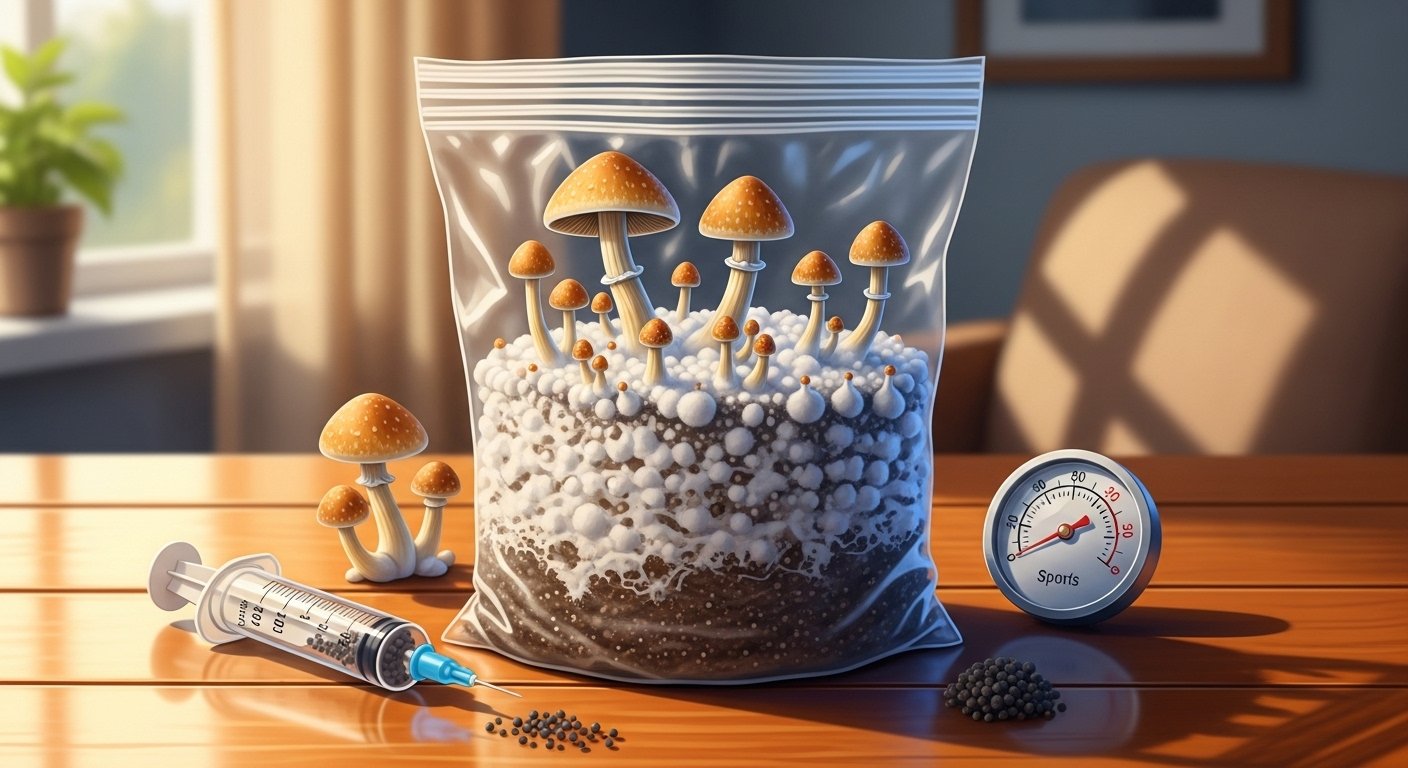
Magic mushroom grow kits have surged in popularity among enthusiasts looking to explore the world of home mycology. These convenient packages make it simpler for beginners to cultivate psilocybin-containing fungi right at home. Whether you’re curious about the therapeutic potential of these mushrooms or just interested in the science of growing them, understanding magic mushroom grow kits is essential. In this guide, we’ll dive into what they are, their benefits, legal aspects, and more, all while keeping things straightforward and engaging.
The appeal of magic mushroom grow kits lies in their all-in-one design. They often include everything needed to start the process, from substrates to spores, eliminating the guesswork for newcomers. As interest in psilocybin mushrooms grows—driven by emerging research on their mental health benefits—these kits offer a controlled way to learn about cultivation. But remember, responsibility is key; always prioritize safety and legality.
What Are Magic Mushroom Grow Kits?
At their core, magic mushroom grow kits are pre-packaged systems designed to facilitate the growth of psilocybin mushrooms, also known as magic mushrooms. These kits typically cater to species like Psilocybe cubensis, which are favored for their psychoactive properties due to compounds like psilocybin and psilocin.
A standard kit might include a grow bag or container filled with a nutrient-rich substrate, such as a mix of grains or manure-based materials. Some kits come with spore syringes or prints, which are used to introduce the fungal spores. The substrate provides the foundation where mycelium—the root-like structure of the fungus—can develop before fruiting into mushrooms.
There are various types available. All-in-one grow bags are popular for their simplicity; you just inoculate and wait. Monotub kits offer a larger scale, ideal for those wanting bigger yields. Then there are beginner-friendly options like PF Tek jars, which use a vermiculite and brown rice flour mix. Each type suits different experience levels, from novices to seasoned growers.
What sets these kits apart is their focus on sterility. Contamination from bacteria or mold can ruin a batch, so kits often feature self-sealing injection ports and filtered bags to minimize risks. This user-friendly approach has made them accessible to people without advanced mycology knowledge.
Benefits of Using Magic Mushroom Grow Kits
One major advantage of magic mushroom grow kits is convenience. Unlike starting from scratch, which requires sourcing materials and sterilizing equipment, these kits arrive ready to go. This saves time and reduces the learning curve, making it easier for beginners to achieve success on their first try.
Cost-effectiveness is another perk. Buying a kit can be cheaper than piecing together supplies individually, especially when considering potential failures from inexperience. Many kits yield multiple flushes—meaning several harvests from one setup—which stretches your investment further.
From an educational standpoint, these kits teach the basics of fungal biology. Watching mycelium colonize the substrate and then pin into tiny mushrooms is fascinating. It fosters a deeper appreciation for nature’s processes and can even spark interest in broader topics like ecology or biotechnology.
Therapeutically, psilocybin mushrooms are gaining attention for their potential in treating conditions like depression, anxiety, and PTSD. While research is ongoing, having a personal supply through a kit allows for microdosing or controlled use in supportive settings. Of course, this should always align with professional guidance and legal boundaries.
Environmentally, home cultivation reduces the need for wild foraging, which can harm natural ecosystems. Kits promote sustainable practices by encouraging controlled growth, minimizing overharvesting from the wild.
Legality and Ethical Considerations for Magic Mushroom Grow Kits
Navigating the legality of magic mushroom grow kits is crucial. Federally in the United States, psilocybin and psilocin are classified as Schedule I substances, making their possession, sale, or cultivation illegal. However, spores themselves do not contain these compounds, so spore kits are generally legal to buy and possess at the federal level.
That said, state laws vary. In most states, spores are permissible, but three—California, Georgia, and Idaho—prohibit them outright. Cultivation crosses into illegality once mushrooms develop and produce psilocybin. Some areas are shifting; places like Oregon and Colorado have decriminalized or legalized therapeutic use, and cities such as Denver, Oakland, and Ann Arbor have reduced enforcement priorities.
Always check local regulations before proceeding. International laws differ too—some countries like Brazil or Jamaica have more lenient stances, while others enforce strict bans. Ethically, consider the impact: ensure your activities don’t contribute to underground markets that exploit vulnerable communities.
If you’re in a legal gray area, focus on microscopy or research purposes. Many kits are marketed for studying spores under a microscope, which is a legitimate, non-cultivating use. Prioritizing compliance keeps things safe and responsible.
How to Choose the Right Magic Mushroom Grow Kit
Selecting a magic mushroom grow kit depends on your goals and experience. For beginners, opt for all-in-one bags; they’re low-maintenance and forgiving. Look for kits with clear instructions and customer support, as guidance can make all the difference.
Consider the substrate type. Manure-loving varieties suit psilocybin species, while wood-based ones are for gourmet mushrooms. Size matters too—smaller kits are great for testing the waters, but larger monotubs offer bigger rewards for committed growers.
Quality is key. Reputable suppliers use sterilized materials to prevent contamination. Read reviews for yield success rates and ease of use. Prices range from $20 for basic bags to $150 for comprehensive setups, so balance cost with features.
Think about add-ons like incubators for temperature control or humidity domes for fruiting. If sustainability is a priority, choose kits with organic substrates. Ultimately, match the kit to your space, time, and interest level for the best outcome.
Tips for Successful Home Cultivation with Grow Kits
Success with magic mushroom grow kits starts with a clean environment. Work in a still-air box or glovebox to reduce airborne contaminants during inoculation. Temperature consistency is vital—aim for 70-80°F during colonization and slightly cooler for fruiting.
Humidity plays a big role. Most kits require misting or a humid setup to encourage pinning. Light isn’t crucial for growth but helps trigger fruiting; indirect sunlight or LED grow lights work well.
Patience is essential. Colonization can take 2-4 weeks, followed by fruiting in another 1-2 weeks. Monitor for signs of healthy mycelium: white, web-like growth. If green mold appears, it’s likely contamination—discard safely.
Harvest at the right time, when veils break but before spores drop. Dry mushrooms properly for storage. Experiment with strains like Golden Teacher or B+ for varied experiences. Joining online communities can provide tips without sharing sensitive details.
Remember, troubleshooting is part of the fun. Common issues like slow growth often stem from temperature fluctuations or over-misting. With practice, yields improve.
Potential Risks and How to Mitigate Them
While rewarding, using magic mushroom grow kits isn’t without risks. Contamination is the top concern; always sterilize tools and follow protocols. Health-wise, improper handling could lead to exposure to molds, so use masks if sensitive.
Psychoactive effects demand caution. Psilocybin can cause intense experiences; start low and in safe settings. Interactions with medications or mental health conditions require professional advice.
Legally, missteps can lead to consequences. Stick to research or legal uses. Environmentally, dispose of spent substrates responsibly to avoid spreading invasive species.
To mitigate, educate yourself through books or forums. Test small batches first. Prioritize mental preparation and integration for any therapeutic use. Staying informed minimizes downsides.
Conclusion
Magic mushroom grow kits open a door to the intriguing realm of mycology, blending science, nature, and potential wellness benefits. From their easy setup to the satisfaction of harvesting your own fungi, they offer a unique hobby. However, success hinges on responsibility—understanding legality, prioritizing safety, and approaching with curiosity.
As research evolves, these kits may play a bigger role in therapeutic contexts. Whether you’re a beginner or expanding your skills, they provide a gateway to deeper knowledge. Just remember, the true magic lies in respectful, informed exploration. Dive in thoughtfully, and you might discover more than just mushrooms.
FAQs
What makes magic mushroom grow kits suitable for beginners?
They simplify the process with pre-sterilized materials and step-by-step guidance, reducing common errors like contamination.
Are magic mushroom grow kits legal everywhere in the US?
No, while spores are federally legal, cultivation is not, and states like California ban spores. Always verify local laws.
How long does it take to grow mushrooms with a kit?
Typically 4-6 weeks from inoculation to harvest, depending on conditions and strain.
Can I reuse a magic mushroom grow kit?
Some kits support multiple flushes, but full reuse often requires fresh substrate to avoid contamination.
What are common mistakes with magic mushroom grow kits?
Over-watering, poor temperature control, or skipping sterility steps can lead to failures.